
NORTHERN LIVING
Inuit Culture
Inuit culture is a vibrant and integral part of our country’s identity and way of life. Despite modern challenges, Inuit communities continue to uphold their cultural traditions and values, contributing to Canada’s rich cultural diversity and heritage.

Fishing
The Kivalliq region is home to hundreds of untouched, pristine lakes with only limited local fishing. Our outfitting areas are remote, with no fishing pressure and no other lodges within 200 miles.
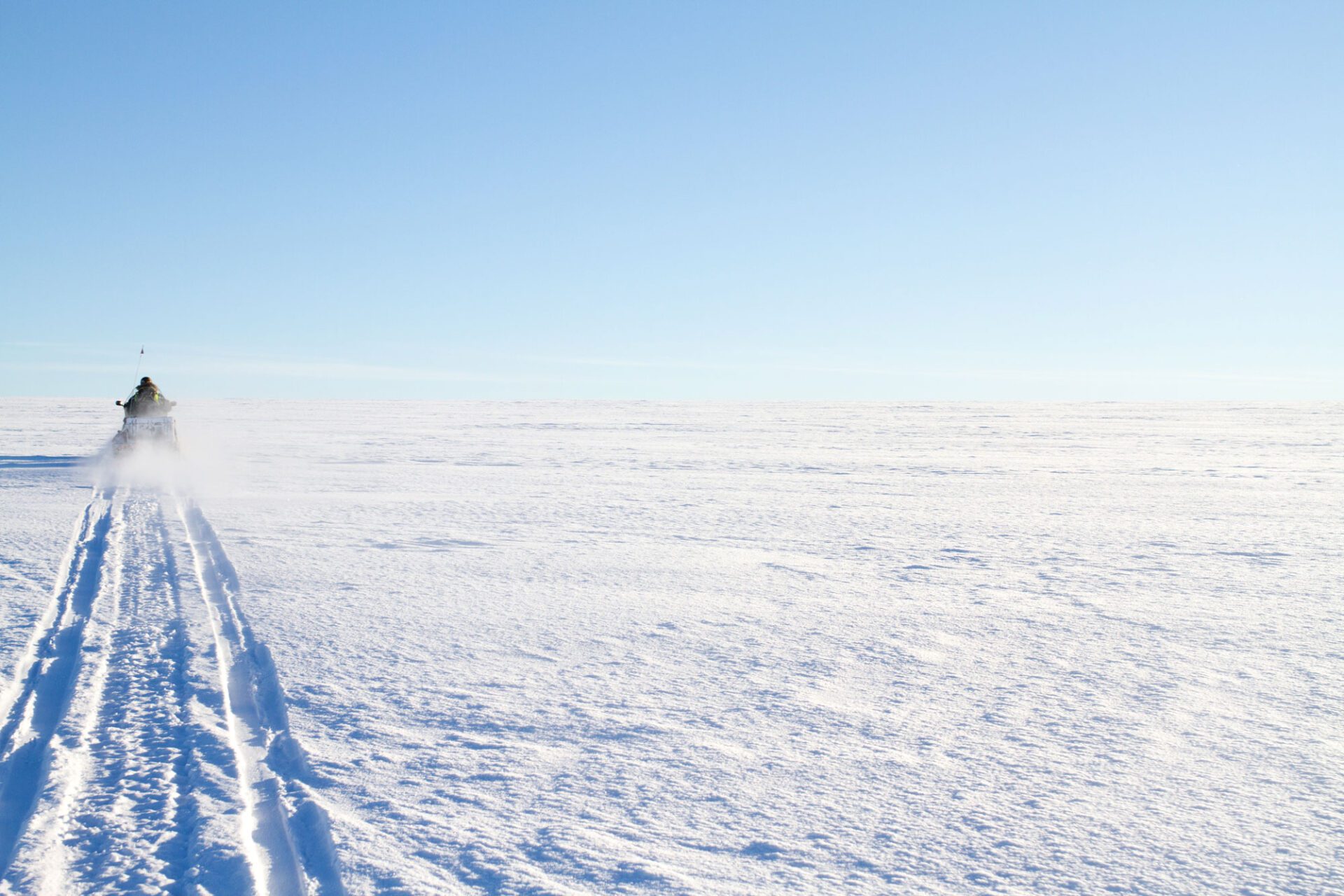
Winter Survival Skills
Traditional skills have been handed down from generation to generation in the North. We are still utilizing these skills, especially survival skills needed to successfully travel and hunt even in the darkest days of winter.
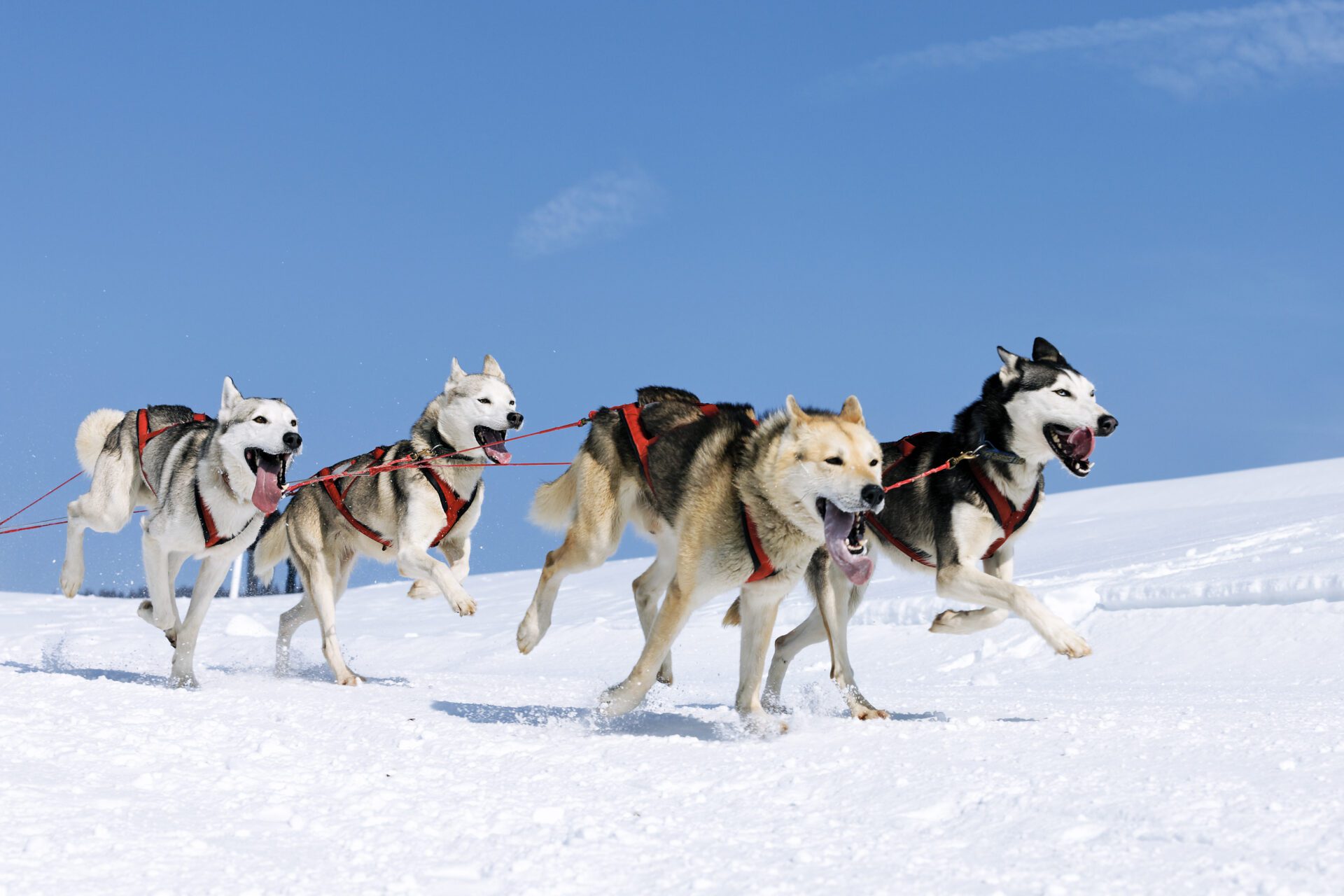
Dog Teams
Dog teams have a rich and deep-rooted history in the Kivalliq region. Dog teams have traditionally been essential for transportation, hunting, and daily life in the Arctic environment. Even with the surge in snowmobiles, ATVs, and UTVs, people are still racing dogs competitively or utilizing them for transportation.
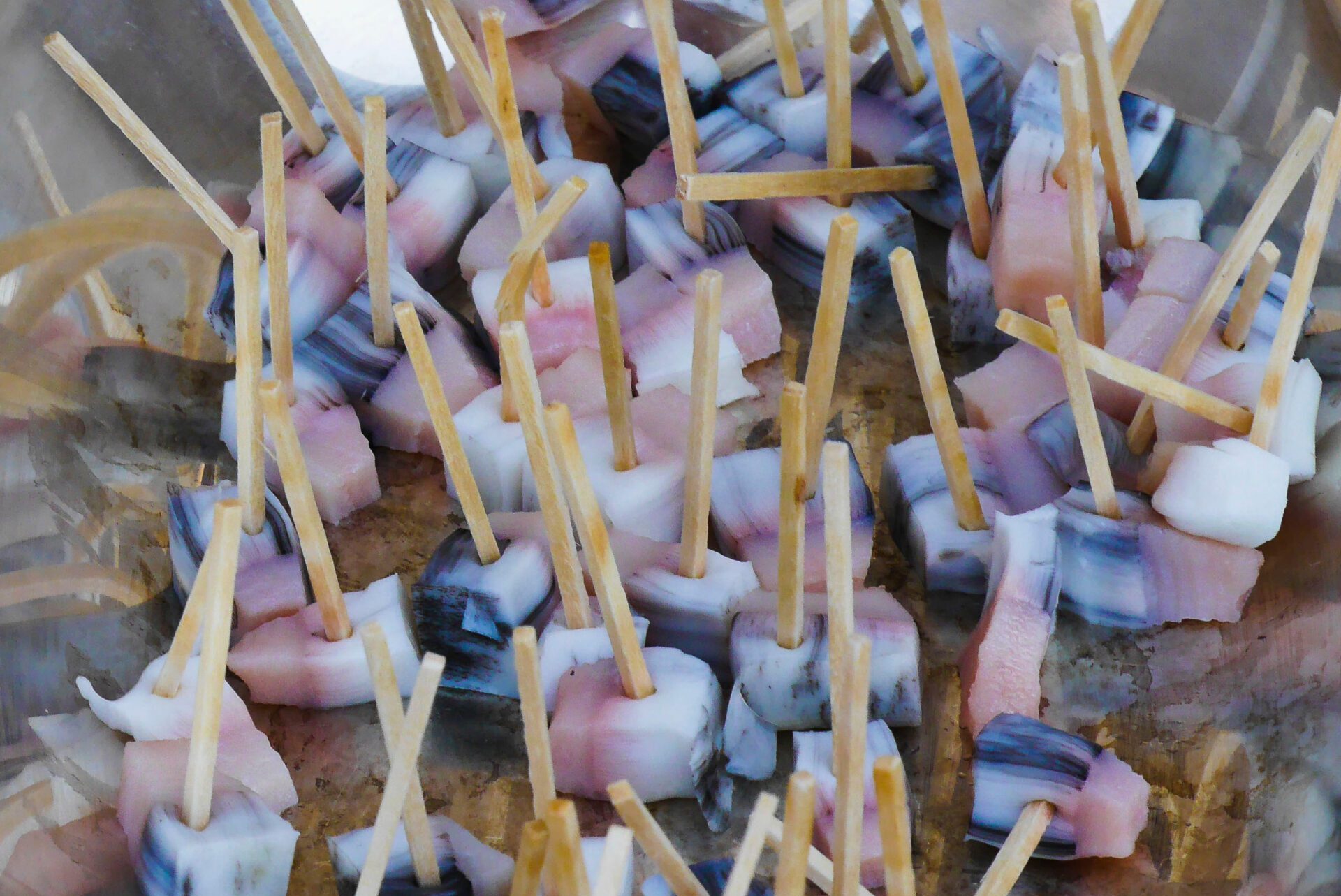
Traditional Inuit Food
Traditional Inuit cuisine is adapted to the harsh Arctic environment and relies heavily on local resources, particularly seafood, marine mammals, and terrestrial animals. The main staple foods for people in the Arctic region still includes the traditional foods of the Inuit, land mammals, including caribou and arctic hare and marine mammals, such as seal, walrus, beluga, and bowhead whales.

Traditional Bannock
Bannock’s history dates back to the Inuit peoples’ interactions with European settlers and traders. It’s been adapted and modified over the years to suit the available ingredients and cooking methods. It continues to be an integral part of Indigenous cuisine and is enjoyed in many different ways.
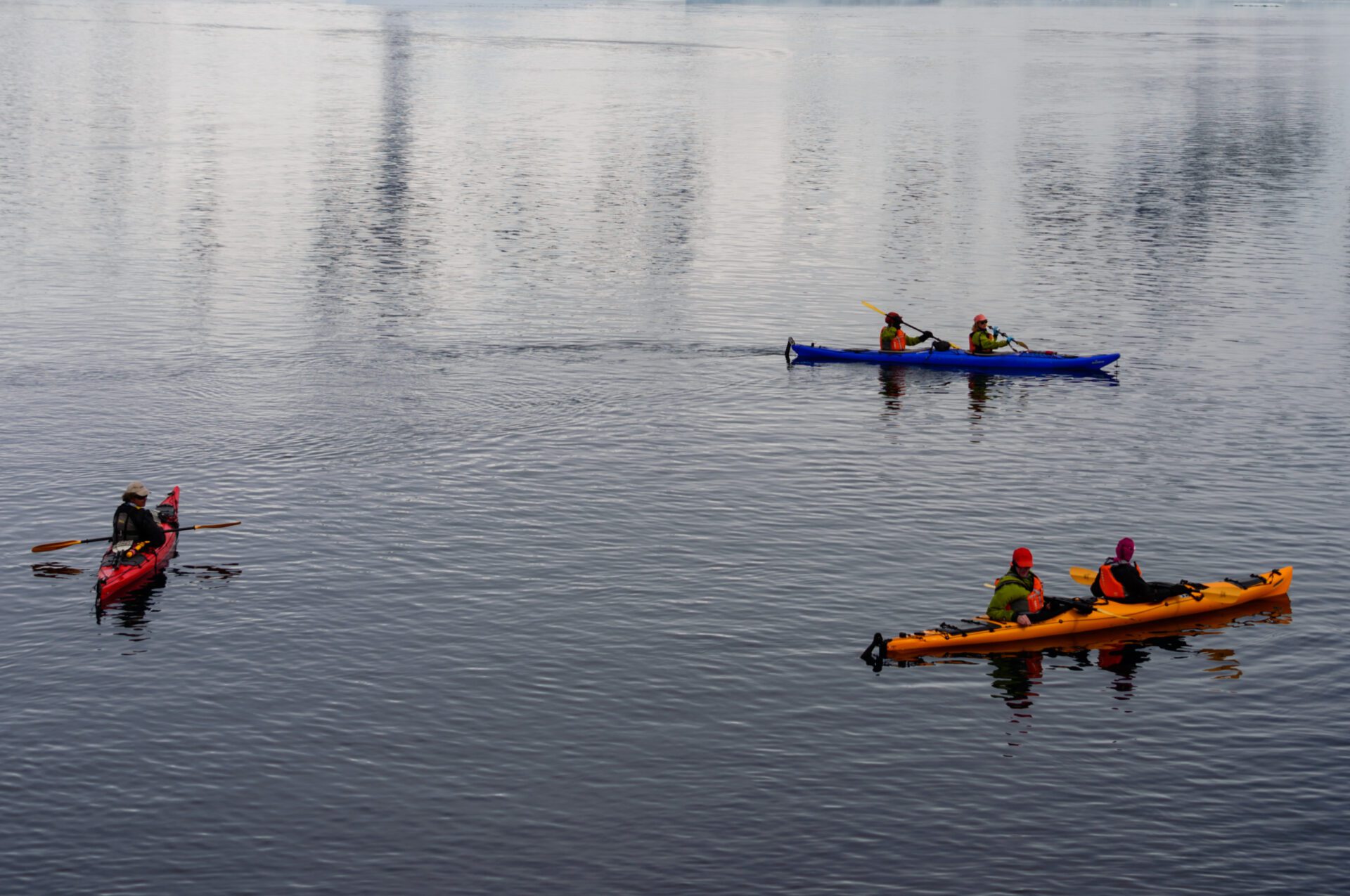
Inuit Big Game Tracking
Inuit Big Game Tracking is a traditional skill and practice that people in the Kivalliq still rely on today. Tracking and hunting large game animals, such as caribou, muskoxen, seals, and polar bears, have been essential for survival for centuries. It requires a profound understanding of the natural environment and the behavior of big game animals and continues to be an integral part of Inuit identity.
Our Communities
Arviat
Arviat was formerly known as Eskimo Point. In 1989, it was renamed Arviat. It is the southernmost community on mainland Nunavut, situated on the western shores of the Hudson Bay, in the Kivalliq region of Nunavut—two hundred miles north of Churchill. Arviat is derived from the Inuktitut word “Arviq,” meaning “Bowhead Whale,” due to its abundance.
Arviat has a rich history, dating back to the early 1920s when the Hudson’s Bay Company established an outpost, followed by the Roman Catholic Mission in 1924 and the Anglican Mission in 1929. The town became a reality in 1936 when the RCMP station was built. With the opening of the airstrip in the 1950s, a slew of prospectors and surveyors arrived to map out the new territory, which was swiftly followed by illnesses that swept the region. Starvation erupted in 1959 due to changes in caribou migratory patterns, forcing the remaining Inuit living inland to be evacuated to several communities, including Eskimo Point.
Rankin Inlet
Located on the west coast of Hudson Bay, approximately 300 km north of Churchill, Rankin Inlet is the transportation, health services, and business centre of the Kivalliq Region of Nunavut. Rankin Inlet, also known as “Kangiqliniq,” in Inuktitut, means “Deep Bay.” Next to Iqaluit, Rankin Inlet is the second most populated community in Nunavut and continues to grow by the year. Rankin Inlet has a rich mining history, dating back to the 1950s.
Rankin Inlet is not only notable for its artists and artisans; it is known for housing the only Inuit fine-arts ceramics production facility in the world! The Iqalugaarjuup Nunanga Territorial Park, 10 km (6.2 mi) northwest of Rankin Inlet, is renowned for hiking, fishing, bird watching, and Thule archaeological sites.
Our Ecosystem
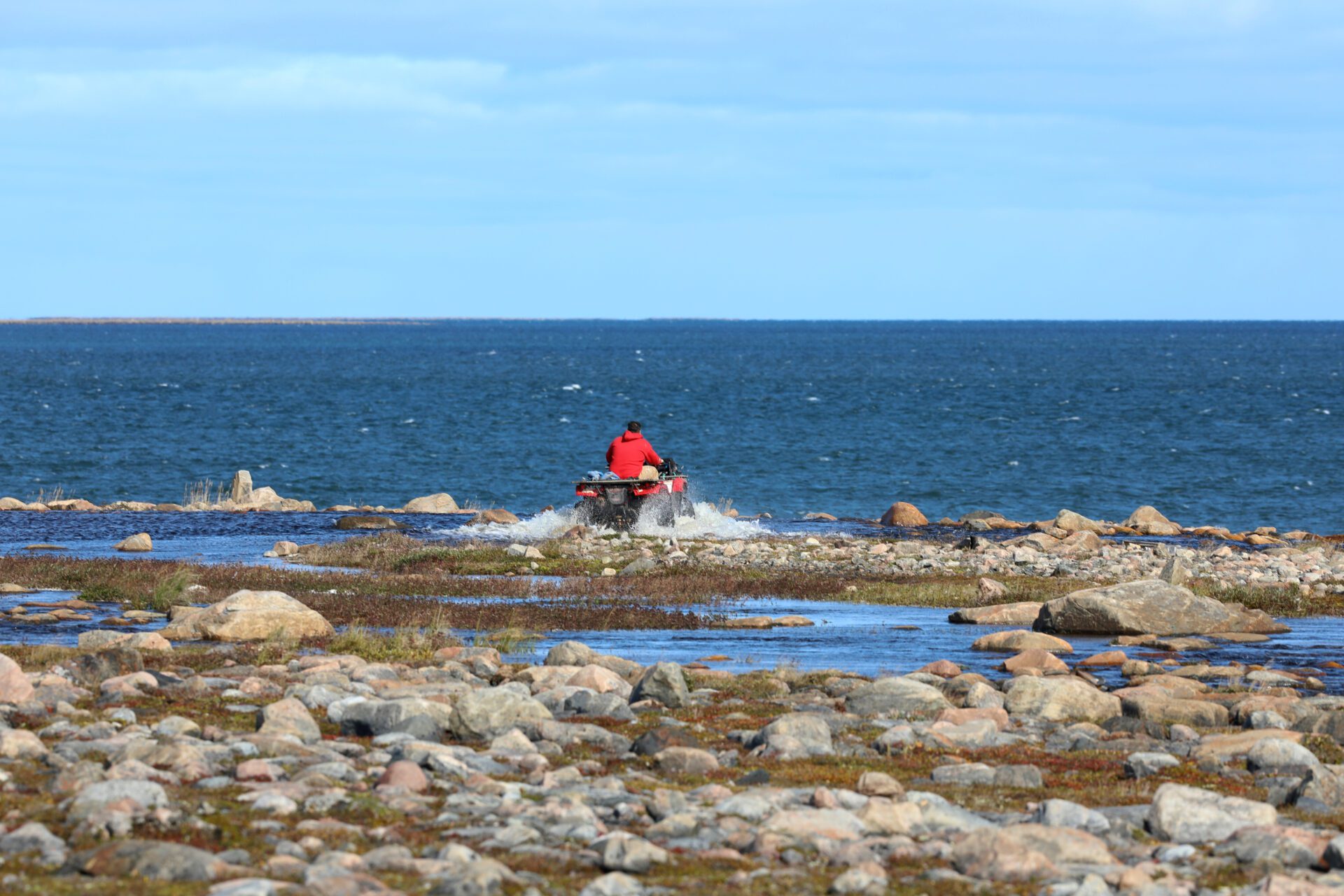
The Kivalliq region is the centre of a diverse ecosystem of rivers and coastline, offering glimpses of:
- Polar bear migrations
- Migratory bird nesting areas
- Pods of beluga whales
- Migrating caribou
- Arctic plant life
Information
Attractions and Activities
Arviat
- The Margaret Aniksak Visitors Centre has many exhibits showcasing traditional Inuit life and artifacts from the Arvia’juaq archeological site.
- The Arviat Sivulinut Elders Society offers instruction in string games and throat singing and holds traditional cookouts of caribou heads, hooves, and other delicacies.
- Kiluk Sewing Centre offers a wide variety of local arts and crafts for sale.
- EPLS Home Hardware Building Centre has an excellent photo walk-through depicting life in Arviat over the past thirty years. The store has a wide array of products, from building materials to groceries and everything in between.
- The McConnell River Migratory Bird Sanctuary is a short ATV ride from Arviat. This bird sanctuary is a nesting spot for geese, swans, loons, snowy owls, peregrine falcons, and gyrfalcons!
- The Mikilak Centre offers unique Arctic prints/pictures.
Rankin Inlet:
- The Matchbox Gallery is a must-visit for anyone interested in Inuit history and art. It features exhibits on Inuit traditions, art, and history, including a collection of Inuit carvings, prints, and artifacts. The centre also hosts workshops and cultural events.
- The Kivalliq Regional Visitor Centre is a must-stop for anyone looking to make the most of their time in Rankin Inlet. The staff can connect you with local tour guides, book excursions, and provide regional maps and cultural information. The centre also exhibits prized Inuit artwork and several display cases with clothes, arctic animals, and other regional displays.
- The Inukshuk in the town centre is perhaps the most iconic landmark in Rankin Inlet. No trip is complete without a picture of the Inukshuk. The Inukshuk can be seen from a distance, but we suggest walking up the hill and getting a close-up glimpse.
- Iqalugaarjuup Nunanga Territorial Park is a must-see if you have access to a truck or ATV. There are more than 45 archaeological sites within the park and these include house ruins, tent rings, graves, and other remains of the Thule. Some of the ruins date back as far as the Pre-Dorset period from 1000 BC to 500 BC.
Henik Lake Adventures
An affiliated company that specializes in premium arctic sports, hunting & fishing tours, and photography excursions across the Kivalliq region. Perfect for anyone planning a bucket list trip to the Arctic.
Travel Nunavut
EPLS Group of Companies is a member of Travel Nunavut. This site includes interesting points on getting the most out of your stay. To make the most out of your trip, research your destination, stay flexible, and be prepared for the rugged beauty and challenges of Nunavut.
Government of Nunavut
This website serves as the primary online portal for accessing information and resources related to the government, services, and programs in Nunavut.